

















A missing website is the beginning of the workflow
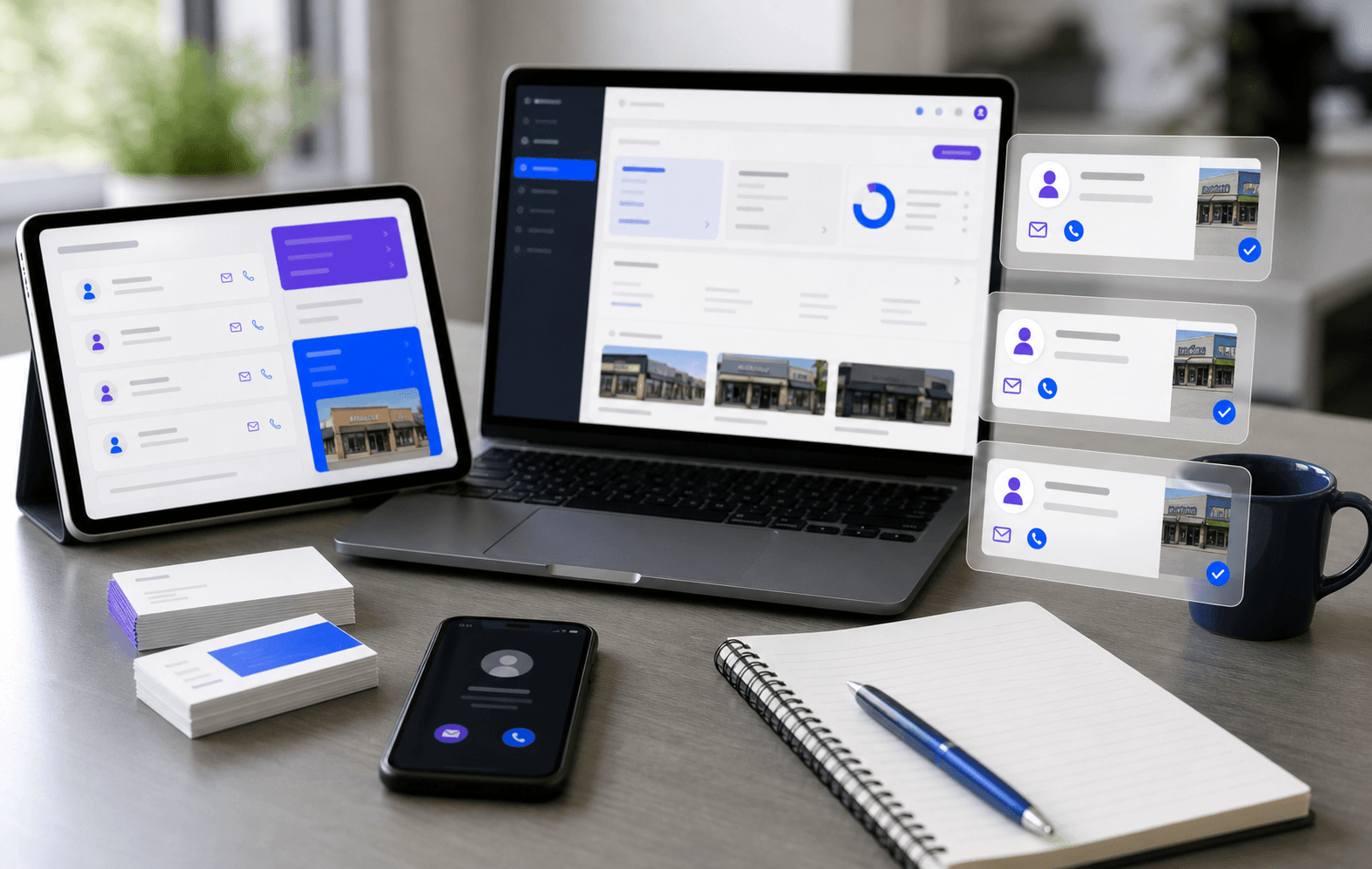
Finding a business without a website is useful, but it is not enough. The list becomes valuable when each business has owner context, contact paths, and enough local detail to support a relevant opening message.
That means enrichment should sit directly next to discovery. Switching from map research to separate databases usually creates duplicate rows, stale details, and a lot of manual cleanup.
Prioritize owner-reachable records
The highest-value records are not just businesses with a website gap. They are businesses where an owner or decision maker may be reachable with reasonable confidence. Available emails, working phone numbers, and listing context help separate a campaign list from a research dump.
It also changes how teams divide work. Researchers can focus on market selection while sales or agency operators focus on the accounts that are ready for outreach.
Keep context attached to the lead
Local details are easy to lose in a CSV. Category, city, rating activity, website status, and notes about the business should travel with the contact details so the message stays personal.
When the context remains attached, every follow-up can point back to the same concrete opportunity: the business is visible locally, but its owned web presence is missing or weak.